
In a brewery, the glycol chiller is the one machine that touches every batch. It holds fermentation temperatures, runs your cold crashes, and keeps finished beer where it belongs. When it struggles, you usually find out from the tanks first, and by then product is already at risk. Good glycol chiller maintenance is mostly simple checks done on a schedule, plus a professional visit that catches what your eyes cannot.
This checklist covers what your team can do in a few minutes a week, what to test each month, and the warning signs that mean it is time to call for glycol chiller service.
Weekly Checks Your Team Can Do
- Glycol level: look at the reservoir. A level that keeps dropping means a leak somewhere in the loop, not a normal loss.
- Supply temperature vs setpoint: compare what the chiller is delivering to what it is set for. A gap that grows week to week is an early warning.
- Leaks: walk the lines, the fittings, and the tank jackets. Look for wet spots, drips, and sticky residue.
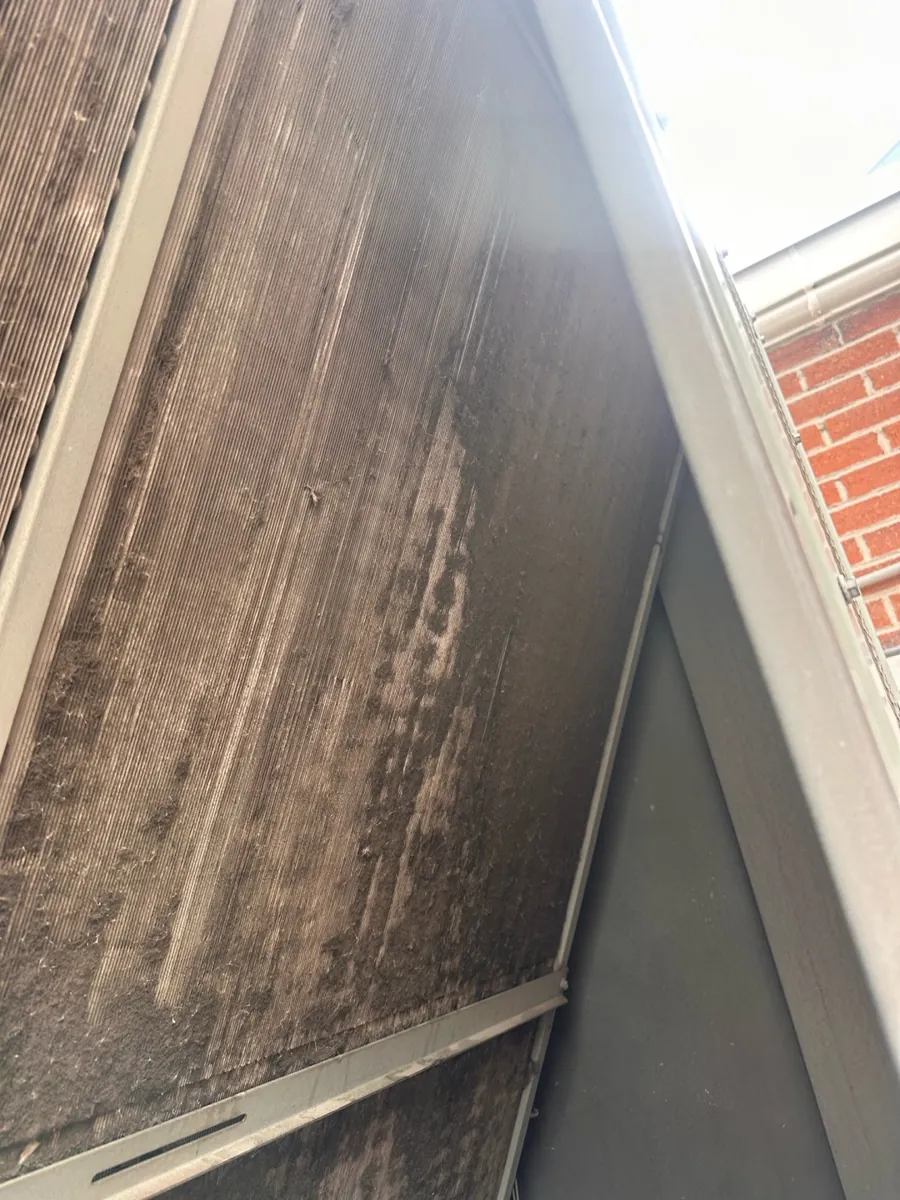
- The condenser: on an air-cooled unit, look for dust, leaves, and debris on the coil and make sure nothing blocks the airflow around it.
- Sound: a pump that rattles, whines, or sounds like gravel is telling you something. So is a compressor that short cycles.
Monthly Checks
- Test glycol concentration with a refractometer and compare it to the freeze protection your system needs.
- Check the inhibitor level with the test your glycol supplier recommends. Inhibitors protect the loop from corrosion, and they wear out over time.
- Look at the glycol itself. It should be clear. Cloudy, brown, or foul-smelling glycol points to contamination or breakdown.
- Clean or check the strainer if your system has one, and note any debris you find.
Glycol Concentration: Too Weak vs Too Strong
Getting the mix right matters in both directions. Glycol that is too weak can freeze inside the heat exchanger or the lines, and a freeze can crack components and take the whole system down. Glycol that is too strong does not carry heat as well and is thicker to pump, so the chiller works harder to hold the same temperature.
Two habits keep the mix steady. First, top off with pre-mixed glycol at the right ratio, never plain water, which quietly waters down the loop. Second, breweries should use food-grade propylene glycol, not automotive ethylene glycol, because the loop runs through tank jackets next to product.
What a Professional Maintenance Visit Covers
Some checks need gauges, meters, and training. A proper preventive maintenance visit on a glycol chiller should include:
- Refrigerant charge, superheat, and subcooling checks, with leak testing if the numbers drift
- Condenser coil or tube cleaning so the chiller can reject heat efficiently
- Glycol testing and water treatment review
- Pump, flow, and heat exchanger checks
- Electrical and controls inspection, including sensors that tell the chiller what temperature it is holding
A dirty condenser is the classic hidden cost. The chiller keeps running, so nothing looks wrong, but it burns more energy and runs longer every day until a hot afternoon pushes it over the edge.
Warning Signs to Call Now
- Tanks will not reach cold crash temperature, or take much longer than usual
- Supply temperature keeps creeping above setpoint
- The chiller runs constantly and never cycles off
- Ice or heavy frost on lines or components where there normally is none
- High pressure or freeze alarms, or the unit tripping off
- A glycol level that drops again right after you top it off
Any one of these means the system is losing ground. Catching it now usually means a repair. Waiting usually means a failure in the middle of a batch.
Northern Colorado Specifics
Two local seasons deserve a note on the calendar. In late spring, cottonwood fluff can blanket outdoor condenser coils and choke airflow fast, so check air-cooled units more often while it is flying. In winter, outdoor equipment and lines depend on the glycol mix for freeze protection, so a concentration test before the first hard freeze is cheap insurance.
Need a Hand With Your Chiller?
Accutemp services glycol and process chillers for breweries, distilleries, and food producers across Northern Colorado, along with the walk-ins and brewery refrigeration around them. If your chiller is showing any of the warning signs above, call us at 970-686-8866 or request service online. If it is down right now, we answer 24/7.